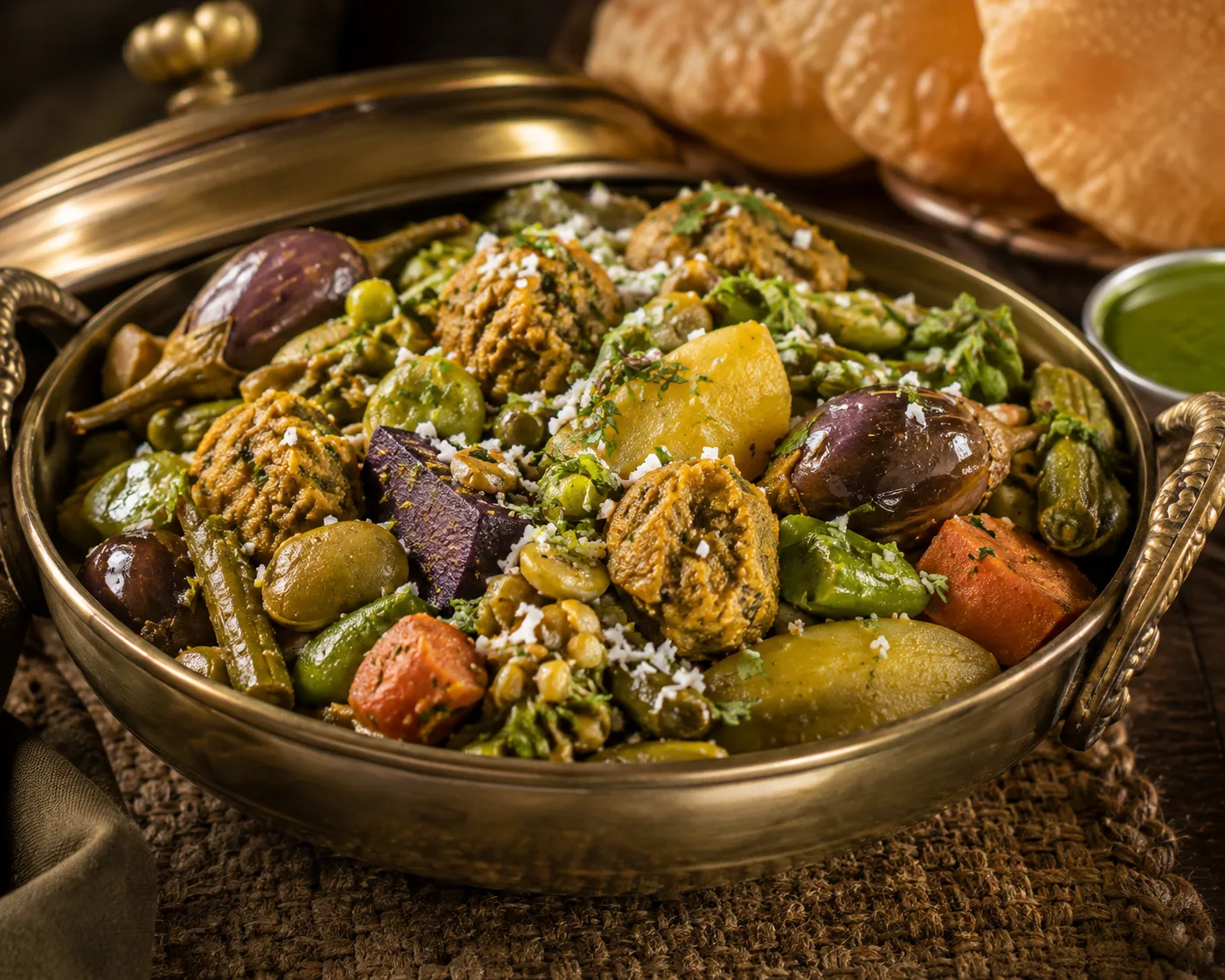
Traditional Gujarati Undhiyu Recipe
Make traditional Gujarati Undhiyu at home with mixed winter vegetables, flavorful coconut masala and delicious methi muthiya. Perfect for festivals and family meals.
View Recipe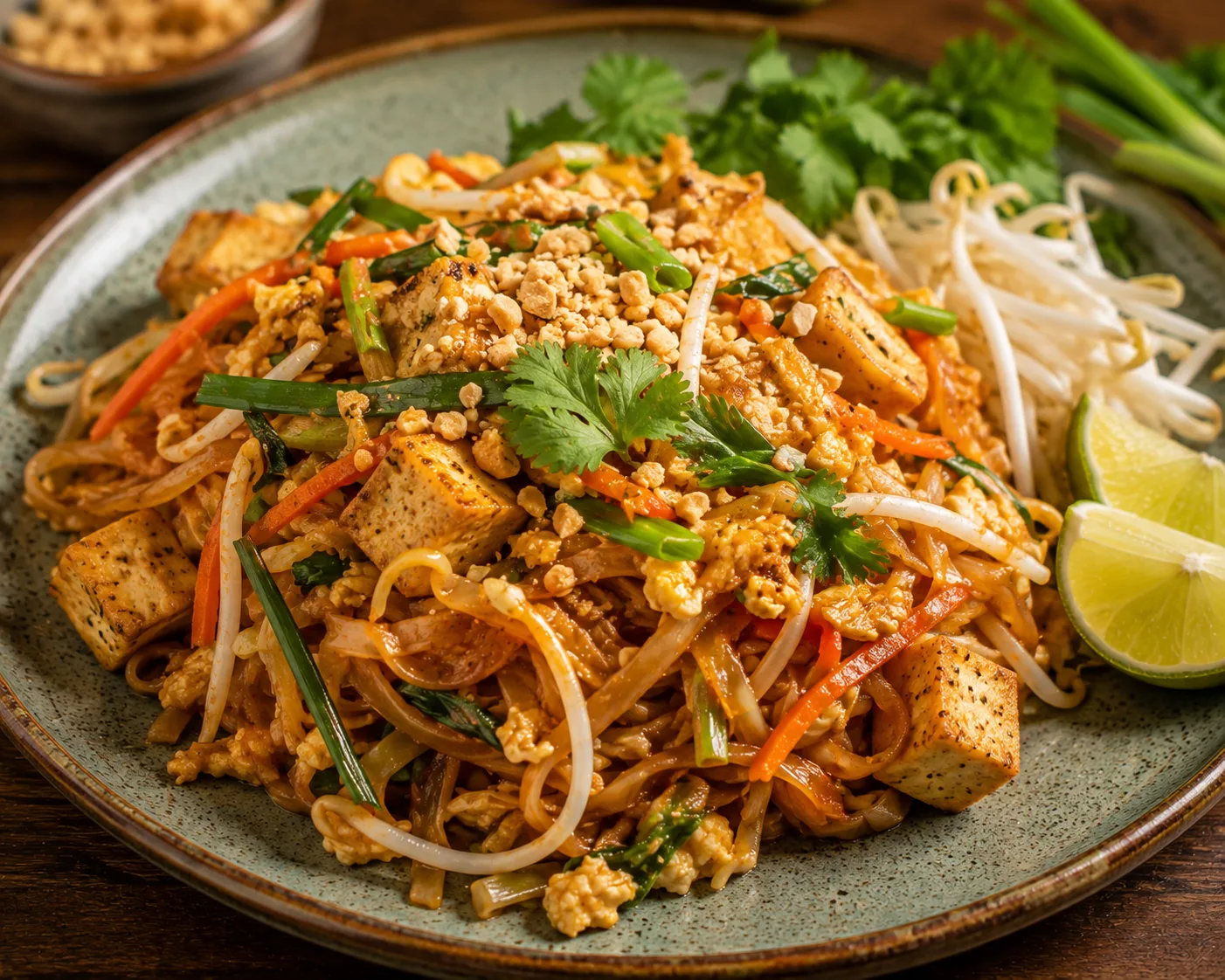
Make delicious Thai Vegetable Pad Thai at home with rice noodles, colorful vegetables, tofu, peanuts and a sweet, tangy and savory sauce.
Pad Thai is one of the most popular Thai noodle dishes. It is known for its balanced combination of sweet, tangy, salty and savory flavors.
This vegetarian version combines rice noodles with tofu, vegetables, crunchy peanuts and a flavorful homemade Pad Thai sauce. The noodles are stir-fried quickly over high heat and finished with fresh lime, bean sprouts and coriander.
For the best result, prepare all the ingredients before starting because Pad Thai cooks quickly once the noodles are added to the pan.
Follow along step-by-step.
Place the rice noodles in a large bowl. Pour warm water over the noodles. Allow them to soak according to the package instructions. The noodles should become soft enough to bend but should not become completely mushy. Drain the noodles. Keep them aside.
Take a small bowl. Add tamarind paste. Add soy sauce. Add brown sugar. Add lime juice. Add chili flakes if using. Mix everything well until the sugar dissolves. Taste the sauce. It should have a balanced sweet, tangy and savory flavor. Keep the sauce aside.
Pat the tofu dry. Cut it into small cubes. Remove excess moisture if possible. Dry tofu becomes slightly crispier during stir-frying.
Place a wok or large pan over medium-high heat. Allow it to become hot. Add vegetable oil. Swirl the oil around the pan.
Add the tofu cubes. Cook until the tofu becomes lightly golden on several sides. Stir gently to avoid breaking the cubes. Remove the tofu from the pan and keep it aside.
Add a little more oil if needed. Add chopped garlic. Stir for a few seconds until fragrant. Add sliced onion. Cook until slightly soft. Do not overcook the onion.
Add the carrot strips. Add chopped cabbage. Stir-fry for 2 to 3 minutes. The vegetables should remain slightly crisp.
Add the soaked and drained rice noodles to the pan. Toss them gently with the vegetables.
Pour the prepared Pad Thai sauce over the noodles. Use tongs or two spatulas to toss everything together. Make sure the noodles are evenly coated with the sauce.
Continue stir-frying over medium-high heat. Add a small amount of water if the noodles appear dry. Cook until the noodles become tender and absorb the flavors of the sauce. Avoid adding too much water.
Add the cooked tofu back to the pan. Mix gently with the noodles. Allow the tofu to warm through.
Add most of the bean sprouts. Keep some bean sprouts for garnishing. Toss briefly. Do not cook the bean sprouts for too long. They should remain fresh and slightly crunchy.
Add the chopped spring onions. Toss everything together. Cook for approximately 30 seconds. Turn off the heat.
Squeeze a small amount of fresh lime juice over the noodles. Mix gently. Taste and adjust the flavor if required.
Transfer the cooked noodles to serving plates. Arrange the noodles neatly.
Sprinkle crushed roasted peanuts over the top. Add fresh coriander leaves. Add extra bean sprouts on the side. Sprinkle chili flakes if desired.
Place lime wedges beside the Pad Thai. Serve immediately while the noodles are hot. Squeeze fresh lime juice over the noodles before eating if desired.
Do not over-soak the rice noodles.
Prepare the sauce before starting the stir-fry.
Keep all ingredients ready because the cooking process is quick.
Use medium-high heat for stir-frying.
Do not overcook the vegetables.
Add bean sprouts near the end to maintain their crunch.
Taste the noodles before serving and adjust lime, soy sauce or sweetness if needed.
Do not over-soak the rice noodles.
Prepare the sauce before starting the stir-fry.
Keep all ingredients ready because the cooking process is quick.
Use medium-high heat for stir-frying.
Do not overcook the vegetables.
Add bean sprouts near the end to maintain their crunch.
Taste the noodles before serving and adjust lime, soy sauce or sweetness if needed.
Serve with fresh lime wedges.
Add crushed roasted peanuts.
Serve with extra chili flakes for a spicier version.
Add fresh bean sprouts on the side.
Pair with a light Thai soup or fresh salad.
Traditional Pad Thai often includes different protein options.
This version uses tofu for a vegetarian-friendly recipe.
The balance of sweet, tangy and salty flavors is important.
Tamarind provides a distinctive tangy flavor.
The amount of chili can be adjusted according to personal preference.
No reviews yet. Be the first to review this recipe!
Pad Thai is commonly made with rice noodles, a sweet and tangy sauce, vegetables, protein and toppings such as peanuts and lime.
Yes. Tofu and vegetables can be used to make a delicious vegetarian Pad Thai.
The noodles may have been over-soaked or overcooked. Follow the soaking instructions and stir-fry them briefly.
Rice noodles are best for Pad Thai, but other noodles can be used for a different style of stir-fry.
Yes. The sauce can be prepared in advance and stored in the refrigerator.
Tamarind gives Pad Thai its characteristic tangy flavor. Lime juice can add acidity, but the final flavor will be different.
Make traditional Gujarati Undhiyu at home with mixed winter vegetables, flavorful coconut masala and delicious methi muthiya. Perfect for festivals and family meals.
View RecipeMake a classic Italian Margherita Pizza at home with a crispy homemade crust, rich tomato sauce, fresh mozzarella and fragrant basil.
View RecipeMake delicious Mexican Vegetarian Enchiladas at home with tortillas filled with beans, vegetables and cheese, baked in a rich homemade enchilada sauce.
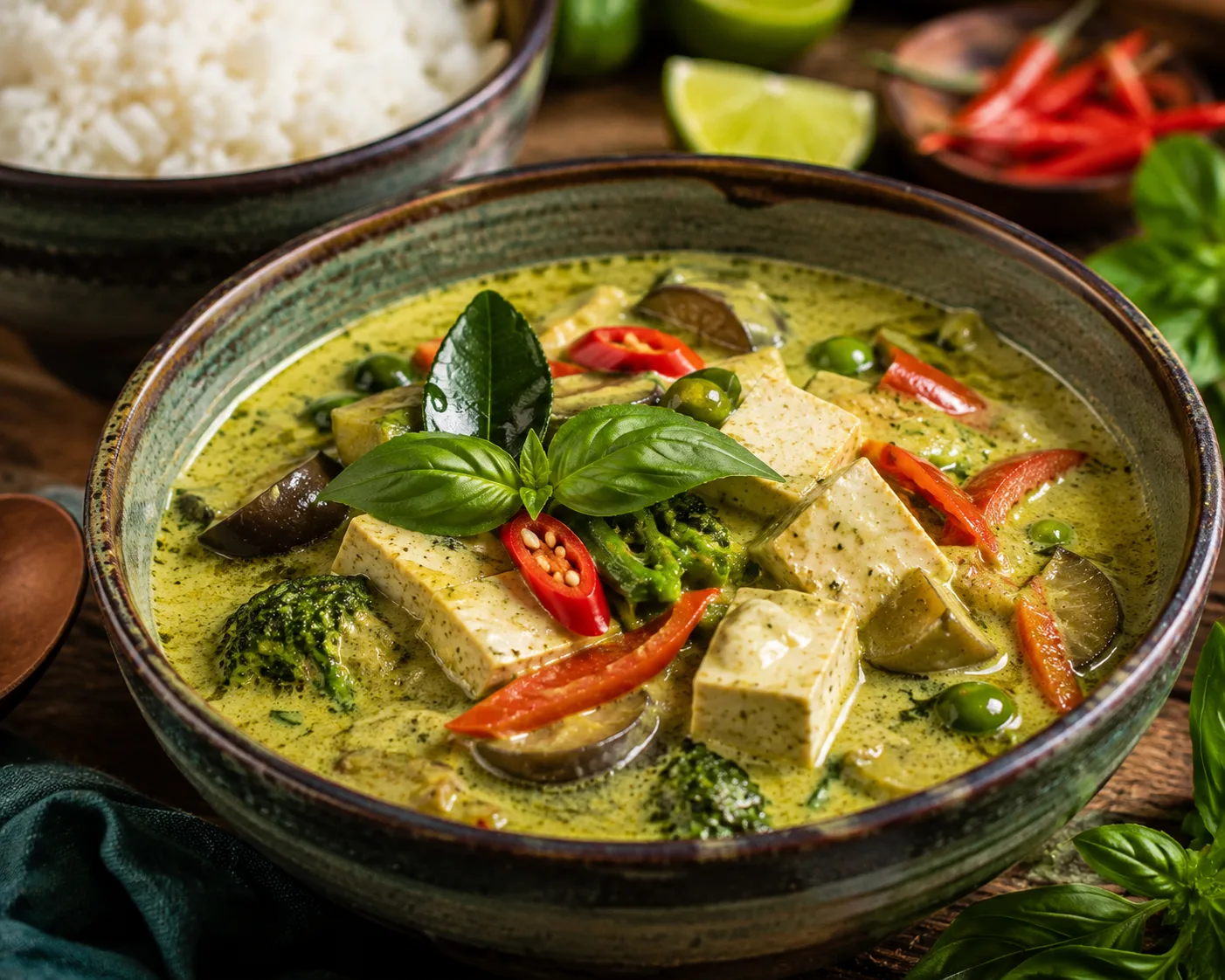
View RecipeMake creamy and aromatic Thai Green Curry at home with green curry paste, coconut milk, vegetables and fragrant Thai herbs.
View Recipe