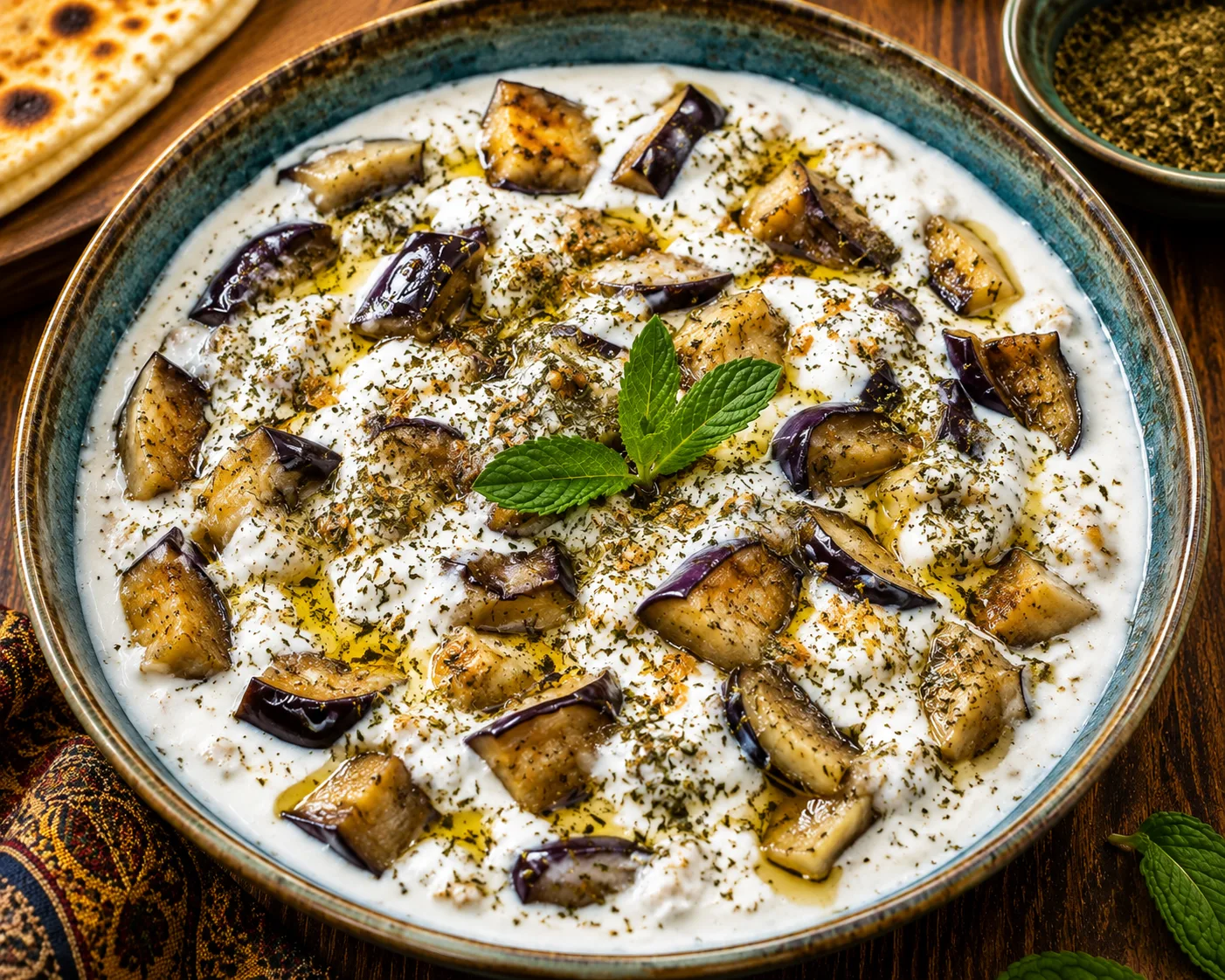
Borani Banjan (Eggplant with Yogurt)
A bright Afghanistan vegetarian dish centered on eggplant.
View Recipe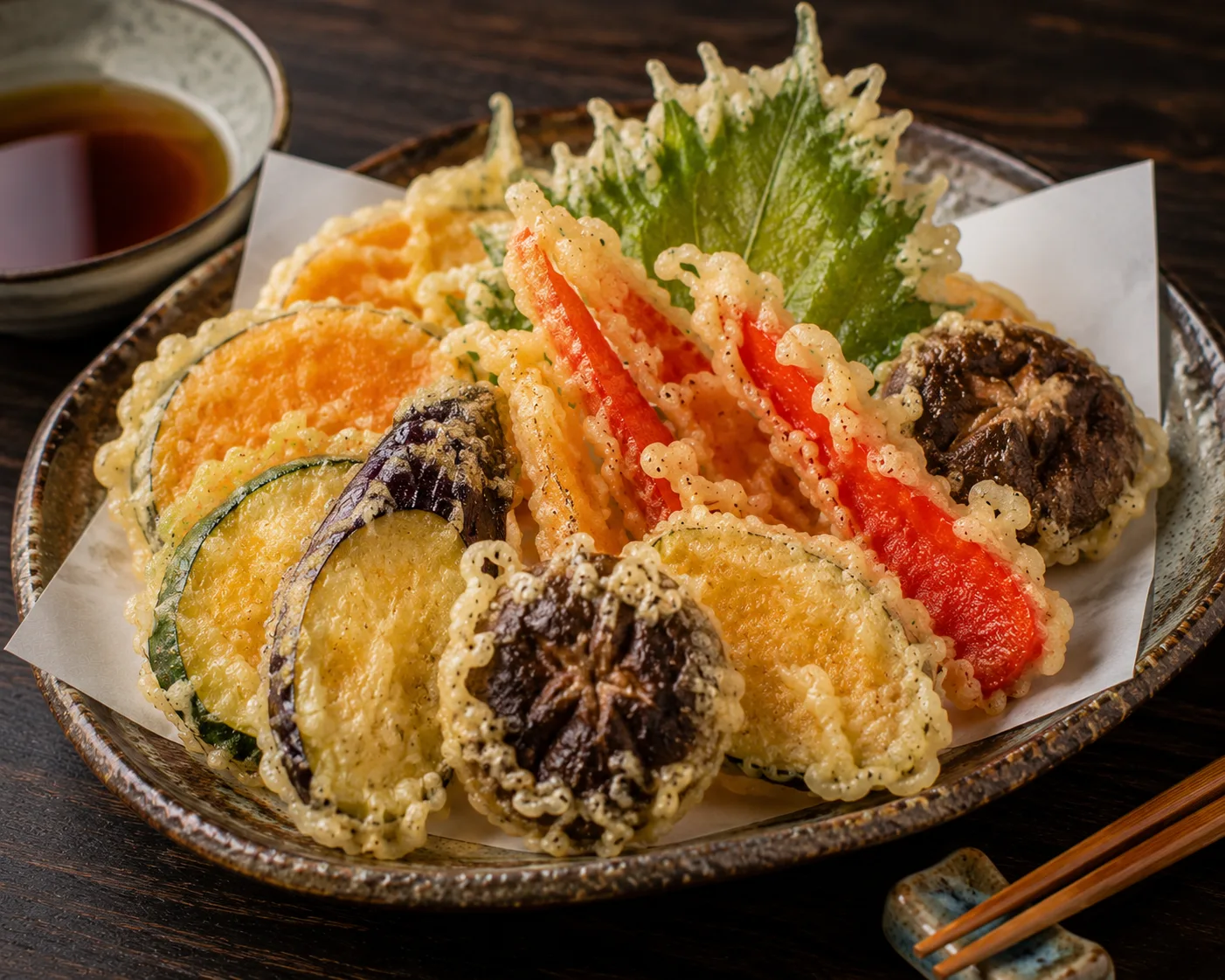
Make light and crispy Japanese Vegetable Tempura at home with fresh vegetables coated in a delicate tempura batter and fried until golden.
Japanese Vegetable Tempura is a popular dish made by coating fresh vegetables in a light, airy batter and frying them until crisp and golden. The secret to good tempura is keeping the batter cold and avoiding overmixing it.
This recipe uses sweet potato, zucchini, bell pepper, eggplant and mushrooms, but you can use other vegetables according to your preference. The tempura is served immediately with a light dipping sauce.
Vegetable Tempura makes a delicious appetizer, snack or side dish and is best enjoyed while hot and crispy.
Follow along step-by-step.
Wash all the vegetables thoroughly. Peel the sweet potato if desired. Slice the sweet potato into thin rounds. Slice the zucchini. Slice the eggplant. Cut the bell pepper into medium-sized strips. Slice the carrot thinly. Keep the mushrooms whole or cut large mushrooms in half.
Place the prepared vegetables on a clean kitchen towel or paper towel. Pat them dry. Removing excess moisture helps the batter stick better.
Take a small bowl. Add soy sauce. Add water. Add mirin or rice vinegar. Add sugar. Add grated ginger. Mix everything well until the sugar dissolves. Keep the sauce aside.
Pour enough vegetable oil into a deep pan. Heat the oil over medium-high heat. The oil should be hot but not smoking.
Take a large mixing bowl. Add all-purpose flour. Add cornflour. Add baking powder. Add salt. Mix the dry ingredients lightly.
Pour very cold sparkling water into the flour mixture. Mix gently using chopsticks, a fork or a whisk. Do not overmix the batter. A few small lumps are completely fine. Overmixing can make the tempura heavy.
Drop a tiny amount of batter into the hot oil. It should rise to the surface gradually and start sizzling. If the oil is too hot, the outside may brown too quickly.
Take one piece of vegetable. Dip it lightly into the cold tempura batter. Allow excess batter to drip off. The coating should remain thin.
Carefully place the battered vegetable into the hot oil. Repeat with a few more pieces. Do not overcrowd the pan. Fry in small batches.
Turn the vegetables occasionally. Fry until the batter becomes light, crisp and pale golden. Traditional tempura should not become very dark brown.
Remove the cooked tempura using a slotted spoon. Place it on a wire rack or paper towel. This helps remove excess oil.
Continue dipping and frying the remaining vegetables. Prepare small batches for the best crispy texture.
Transfer the crispy Vegetable Tempura to a serving plate. Sprinkle with chopped spring onions if desired. Add sesame seeds for extra texture.
Serve the Vegetable Tempura immediately. Serve the prepared dipping sauce on the side. Enjoy while the tempura is hot and crispy.
Keep the water for the batter very cold. Do not overmix the batter.
Small lumps in the batter are acceptable. Fry the tempura immediately after dipping. Do not overcrowd the frying pan.
Maintain a consistent oil temperature. Serve immediately because tempura is best when freshly fried.
Use fresh vegetables for the best texture.
Vegetable Tempura is best eaten immediately.
Store leftovers in an airtight container in the refrigerator for up to 1 day.
Reheat in an oven or air fryer for a crispier texture.
Avoid reheating in a microwave because the batter may become soft.
Serve with tempura dipping sauce.
Serve as an appetizer.
Serve with steamed rice.
Pair with miso soup. Serve alongside Japanese noodles.
You can use broccoli, green beans, pumpkin or other vegetables.
Different vegetables may require slightly different frying times.
The key to good tempura is a light batter and hot oil.
Avoid preparing the batter too far in advance.
No reviews yet. Be the first to review this recipe!
Sweet potato, zucchini, eggplant, mushrooms, bell peppers, carrots, broccoli and green beans are all suitable for vegetable tempura. Different vegetables may require slightly different frying times.
The water may not be cold enough, the batter may have been overmixed or the oil temperature may be incorrect. Keep the batter cold and fry in small batches.
No. A few small lumps are normal and can help create a lighter texture. Avoid overmixing the batter.
Yes. Very cold water can also be used instead of sparkling water. Keep it as cold as possible for a light batter.
Overcrowding lowers the oil temperature and can make the tempura oily instead of crispy. Fry the vegetables in small batches.
Serve with a light dipping sauce, steamed rice, miso soup or Japanese noodles. It is best enjoyed immediately while hot and crispy.
A bright Afghanistan vegetarian dish centered on eggplant.
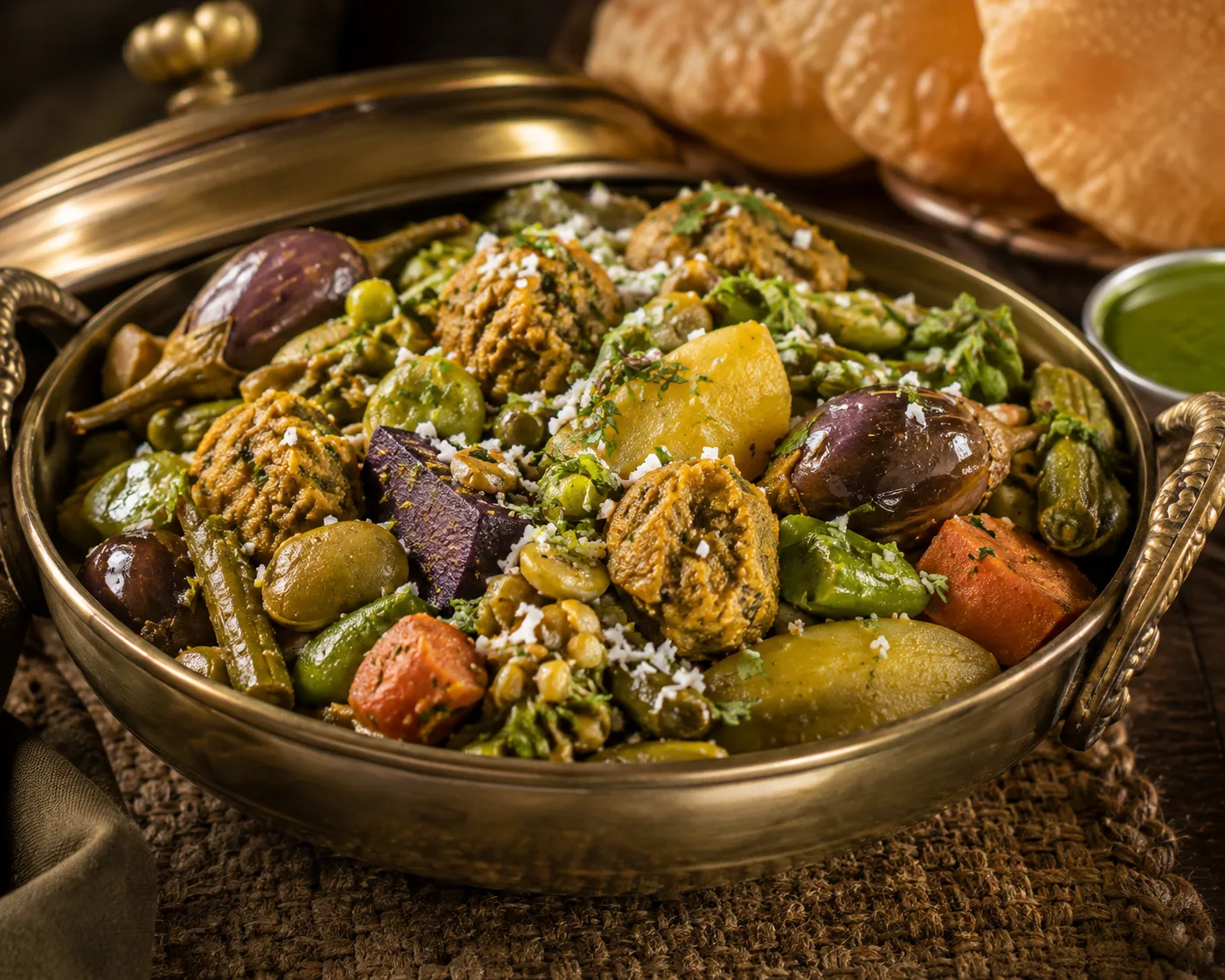
View RecipeMake traditional Gujarati Undhiyu at home with mixed winter vegetables, flavorful coconut masala and delicious methi muthiya. Perfect for festivals and family meals.
View RecipeMake a classic Italian Margherita Pizza at home with a crispy homemade crust, rich tomato sauce, fresh mozzarella and fragrant basil.
View RecipeMake delicious Mexican Vegetarian Enchiladas at home with tortillas filled with beans, vegetables and cheese, baked in a rich homemade enchilada sauce.
View Recipe