Essential Cooking Tips and Tricks for Better Homemade Food
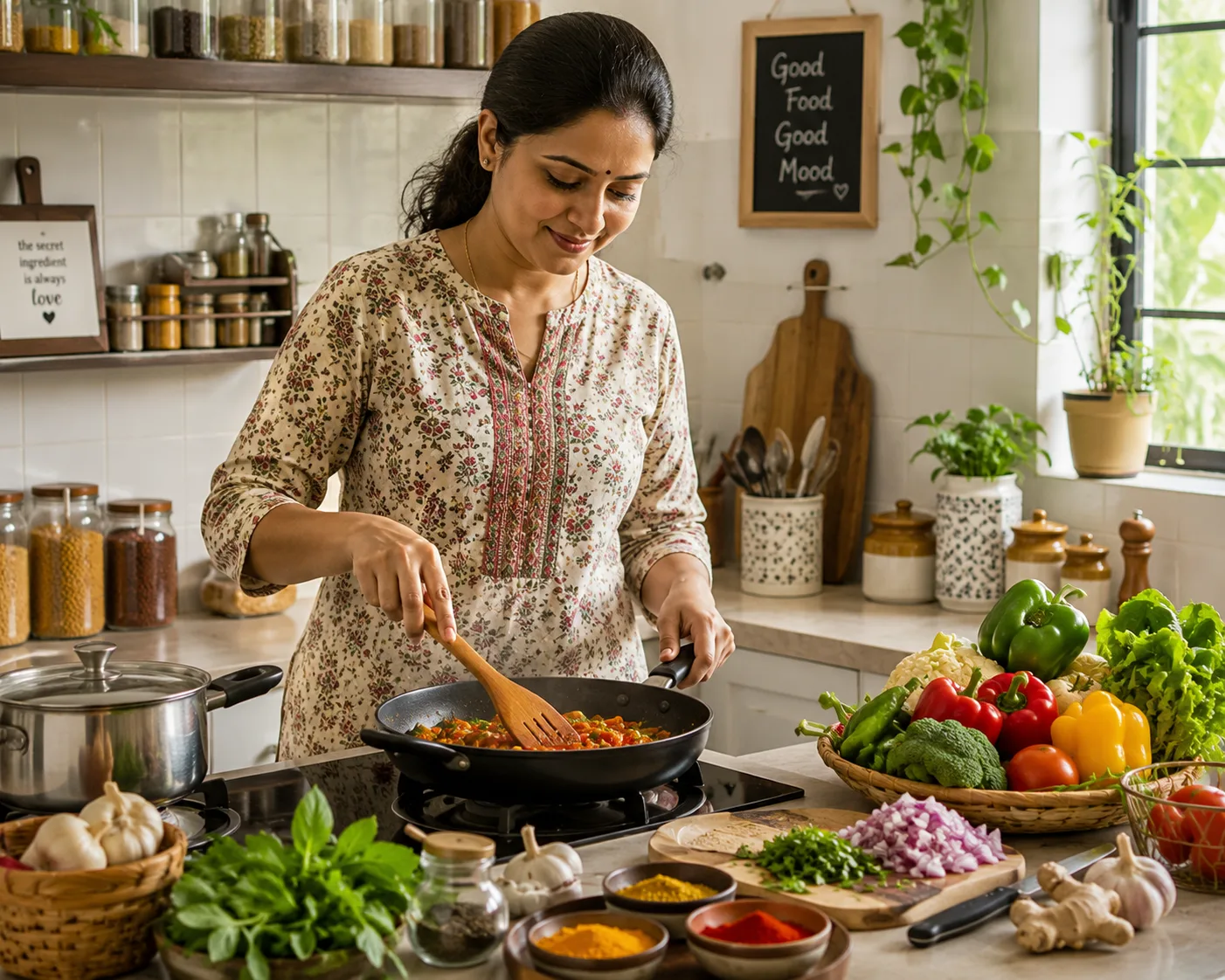
Cooking delicious food at home does not always require complicated techniques or expensive ingredients. Small changes in the way you prepare, cook and season your food can make a big difference.
Whether you are a beginner or someone who cooks regularly, learning a few useful cooking tips can help you save time, reduce mistakes and improve the taste of your meals.
Here are some simple cooking tips and tricks that can help you prepare better homemade food.
Prepare Everything Before You Start Cooking
One of the easiest ways to make cooking less stressful is to prepare your ingredients before turning on the stove.
Wash and cut vegetables, measure spices and keep all required ingredients ready.
This helps you focus on the cooking process and reduces the chance of forgetting an ingredient.
Preparing ingredients in advance is especially useful when making recipes that cook quickly.
Read the Complete Recipe First
Before you start cooking, read the recipe from beginning to end.
Check the ingredients, preparation time and cooking steps.
This helps you understand the process and prevents surprises while cooking.
You may also find that some ingredients need to be soaked, marinated or prepared in advance.
Use Fresh Ingredients When Possible
Fresh vegetables, herbs and spices can improve the flavor of homemade food.
Before cooking, check that your ingredients are fresh and stored properly.
Using fresh ingredients does not mean you must buy everything on the same day, but proper storage can help maintain quality and flavor.
Do Not Overcrowd the Pan
When too many ingredients are added to a pan at the same time, the temperature can drop.
This can cause food to release water and steam instead of browning properly.
Cook ingredients in smaller batches when necessary.
This simple habit can improve the texture and color of vegetables, paneer and other ingredients.
Control the Heat
Using the correct heat is one of the most important cooking skills.
High heat is useful for certain cooking methods, but not every dish needs to be cooked quickly.
Low heat is often better for slow cooking, sauces and dishes that need time to develop flavor.
Medium heat is useful for many everyday recipes.
Pay attention to how your food reacts and adjust the heat when needed.
Add Spices at the Right Time
Indian cooking uses many spices, but timing is important.
Whole spices are often added to hot oil or ghee to release their aroma.
Ground spices can burn quickly if the heat is too high.
When using powdered spices, reduce the heat if necessary and stir them carefully.
A small amount of water or other ingredients can also help prevent spices from burning.
Taste Your Food While Cooking
Do not wait until the end to check the flavor of your food.
Taste when it is safe to do so and adjust the seasoning gradually.
You may need more salt, a little acidity, sweetness or spice.
Making small adjustments while cooking is usually easier than trying to fix the dish after it is finished.
Use Salt Carefully
Salt is important for bringing out flavor, but adding too much can be difficult to correct.
Start with a moderate amount and add more later if needed.
Remember that some ingredients, sauces and packaged foods may already contain salt.
Taste before adding extra salt.
Balance Different Flavors
Good food often has a balance of different flavors.
If a dish tastes too spicy, you may be able to balance it with a mild ingredient.
If a dish tastes too rich, a small amount of lemon juice can add freshness.
Sweetness, salt, acidity and spice should work together instead of one flavor becoming too strong.
Do Not Overcook Vegetables
Overcooking vegetables can affect their texture and flavor.
Different vegetables need different cooking times.
Add vegetables according to how long they take to cook.
For example, harder vegetables may need more time than leafy vegetables.
This can help you create a dish with better texture.
Give Food Time to Rest
Some foods taste better after resting for a few minutes.
Rice can become more evenly cooked after resting.
Grilled or roasted food can also benefit from a short resting time.
Allowing food to rest can help improve its texture and make serving easier.
Keep Your Kitchen Organized
A clean and organized kitchen can make cooking easier.
Keep commonly used ingredients in convenient places.
Store spices properly and check them regularly.
Clean as you cook when possible.
This can save time and make the overall cooking experience more enjoyable.
Learn from Cooking Mistakes
Every cook makes mistakes.
A dish may sometimes be too salty, too spicy or not cooked correctly.
Instead of feeling discouraged, try to understand what happened.
With practice, you will learn how ingredients behave and how to adjust recipes according to your taste.
Cooking skills improve over time.
Final Thoughts
Better cooking often comes from paying attention to small details.
Preparing ingredients in advance, controlling heat, using spices correctly and tasting food during cooking can all improve your results.
You do not need to follow every recipe perfectly. As you gain experience, you can adjust ingredients and cooking methods to suit your own taste.
Keep practicing, try new recipes and enjoy the process of cooking delicious homemade food.